
In our modern lives, we are constantly surrounded by sound traffic, conversations, phones, notifications, television, and the endless noise of our own thoughts. Even when our surroundings are quiet, the mind may continue racing.
Sound healing offers an opportunity to pause, breathe, and reconnect with ourselves through the power of sound and vibration.
Rather than simply listening to music, a sound healing experience is designed to create a deeply relaxing environment where gentle sounds and vibrations can support relaxation, mindfulness, and a sense of inner balance.
What Is Sound Healing?
Sound healing is a wellness practice that uses instruments such as singing bowls, gongs, chimes, drums, tuning forks, and other resonant instruments to create sound and vibration.
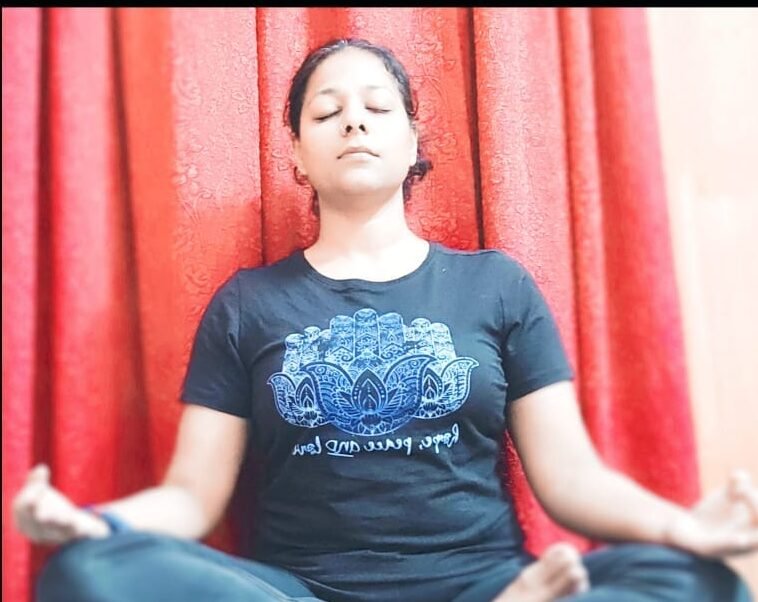
During a session, participants generally lie down or sit comfortably, close their eyes, and allow the sounds to wash over them. There is nothing complicated to learn. You simply listen, breathe, and allow yourself to be present.
The experience can be particularly valuable for people who find it difficult to quiet their minds through traditional meditation.
How Does Sound Affect Us?
Think about how a particular song can instantly change your mood. A calming melody can make you feel peaceful, while an energetic rhythm can make you want to move.
Sound interacts with our attention, emotions, breathing, and perception. During a sound meditation, the repetitive and soothing nature of certain sounds can give the mind something gentle to focus on, helping shift attention away from everyday worries.
The vibrations from instruments such as Himalayan singing bowls can also create a unique sensory experience. Many people describe feeling relaxed, grounded, peaceful, or deeply refreshed after a session.
It is important to remember that experiences vary from person to person. Sound healing should be viewed as a complementary wellness practice, not as a replacement for medical or mental-health treatment.
Potential Benefits of Sound Healing
People participate in sound healing for many different reasons. A session may help support:
Deep Relaxation
The calming environment and focused listening can help you slow down and step away from the demands of everyday life.
Stress Reduction
Taking intentional time away from screens, work, and daily responsibilities can create space for the body and mind to relax.
Mindfulness
Sound provides an anchor for attention. Instead of following every thought, you can gently bring your awareness back to the sound and your breath.
Restful Sleep
Some people find relaxation practices before bedtime helpful for creating a calmer transition into sleep.
Emotional Well-Being
A quiet, supportive environment can provide an opportunity to pause, reflect, and reconnect with yourself.
Mind-Body Connection
When we slow down and become aware of our breathing, sensations, and surroundings, we may develop greater awareness of how we are feeling physically and emotionally.
What Happens During a Sound Healing Session?
A session can be structured in many ways depending on the practitioner.
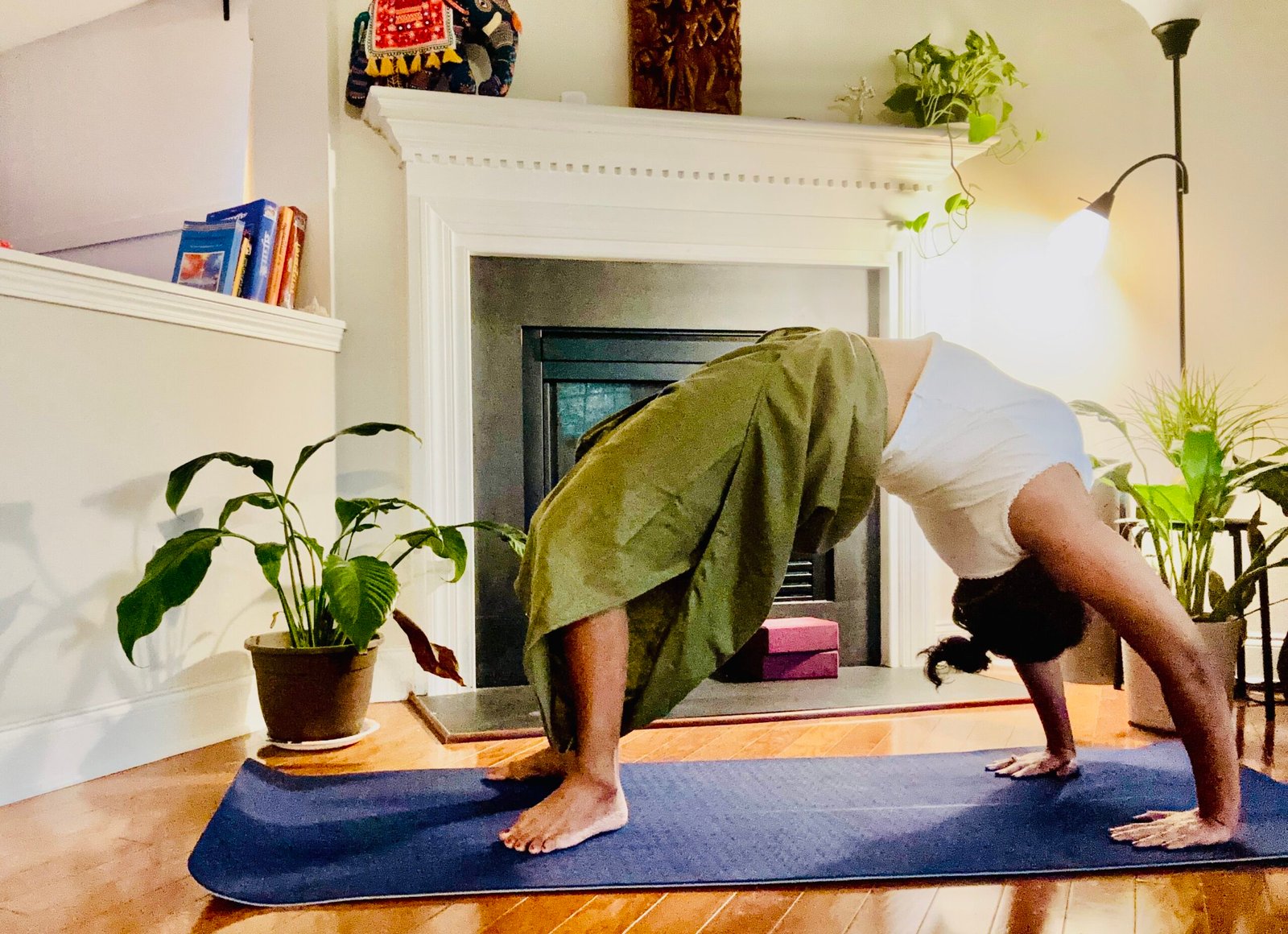
For example, a wellness session might begin with a few minutes of gentle movement or yoga, followed by pranayama (breathwork) to help participants settle into the present moment.
The group may then transition into a sound meditation.
You might hear:
- Himalayan singing bowls
- Crystal bowls
- Gongs
- Chimes
- Drums
- Tuning forks
- Gentle percussion
Participants usually remain comfortably seated or lying down while the practitioner creates a sequence of sounds.
The session may conclude with a few minutes of silence, meditation, or guided relaxation.
Why Combine Yoga, Pranayama and Sound Healing?
This combination can create a beautiful progression:
Movement → Breath → Stillness → Sound
Yoga helps bring awareness into the body.
Pranayama helps bring awareness to the breath.
Sound meditation gives the mind an opportunity to settle into stillness.
Together, these practices can create a holistic wellness experience that addresses body, breath, and mind.
You Don’t Need to Know How to Meditate
One of the beautiful things about sound healing is that you don’t need previous meditation experience.
You don’t have to stop thinking.
You don’t have to sit perfectly still.
You don’t have to “empty your mind.”
Simply find a comfortable position, close your eyes if that feels comfortable, breathe naturally, and listen.
When your mind wanders, gently return your attention to the sound.
That is enough.
Give Yourself Permission to Pause
We often spend our days taking care of responsibilities, family, work, and everyone around us. We may forget that rest is also part of wellness.
A sound healing session isn’t about escaping your life. It is about creating a small space within your life to slow down and reconnect.
Sometimes healing begins with something very simple:
Pause.
Breathe.
Listen.
Be present.
And perhaps, for a little while, allow the noise of the outside world to become quieter so you can hear yourself again.
Experience Sound Healing with DehaFlow
At DehaFlow, sound healing is incorporated with yoga, pranayama, meditation, and mindful wellness practices to create experiences focused on relaxation, self-awareness, and reconnecting with the body and breath.
Move. Breathe. Heal. Transform.